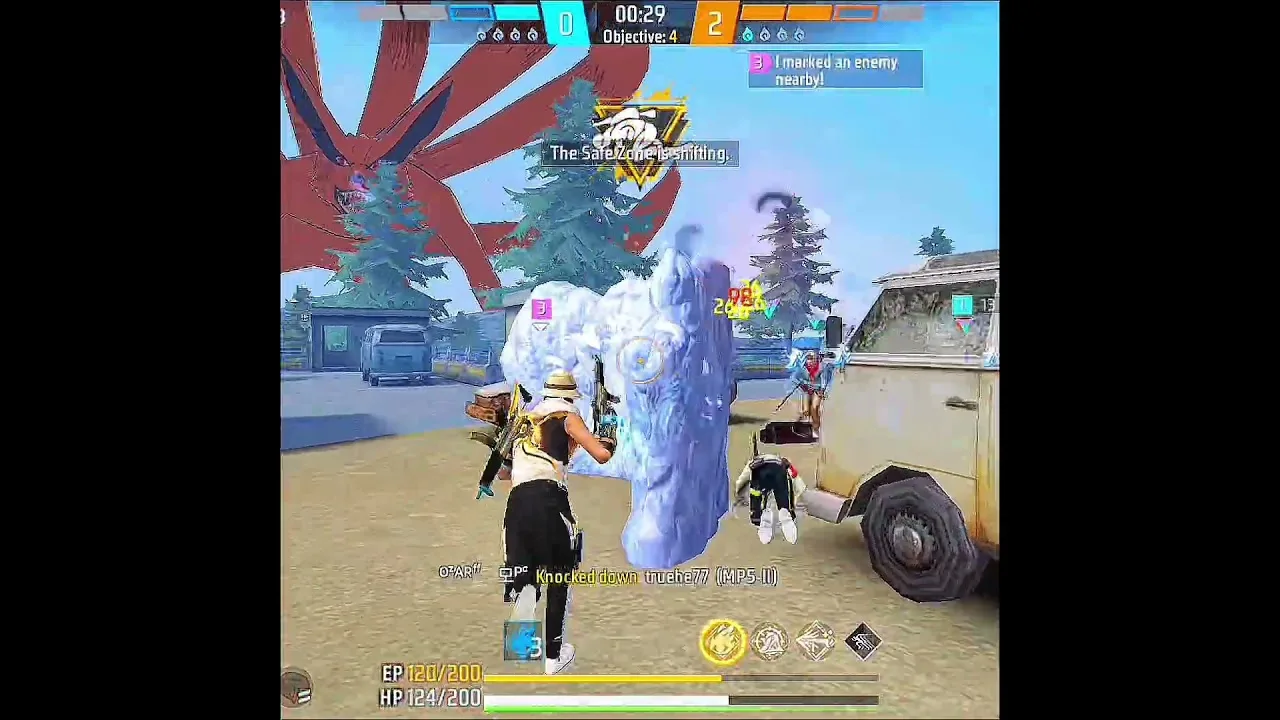
New maps and modes are the hardest content to judge quickly, because a first impression is usually about unfamiliarity rather than quality. A map that feels confusing on day one can become a favourite by day five, which is exactly why structured testing matters here more than anywhere else.
When a cycle adds a location or a rule set, the FF Advance Server beta build for Android is the only place to learn it before ranked players meet it. Testers who explore methodically start the new season already knowing rotations, sightlines, and mode tricks that others need weeks to discover.
Learn a New Map Without Enemies First
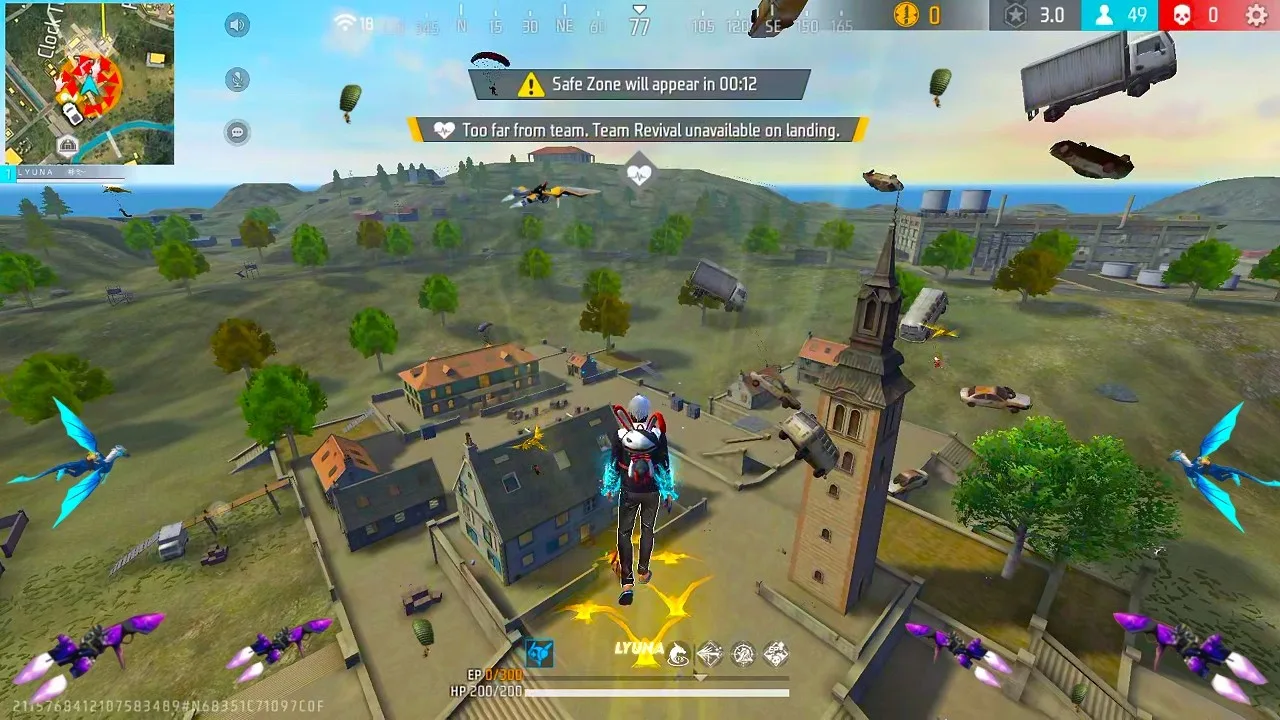
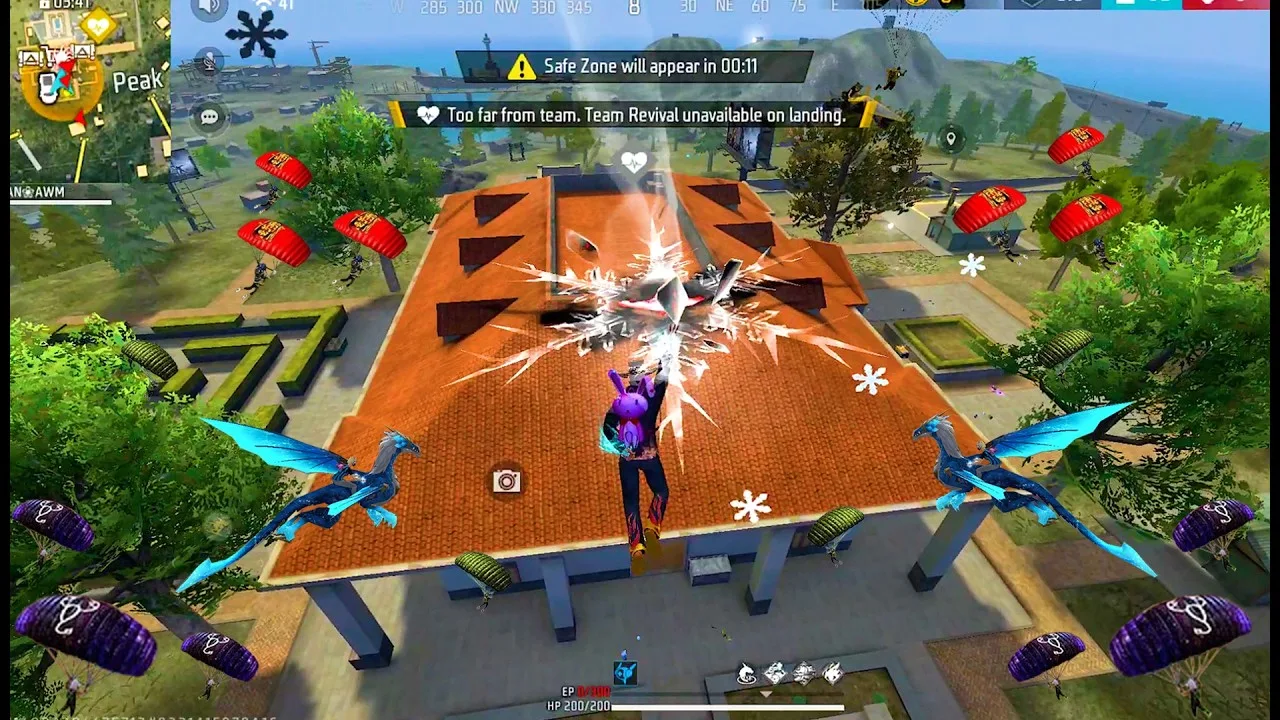
If the mode allows it, explore a new map in the calmest setting available before judging it in live matches. Walk the full loop, learn the named areas, find vehicle spawns and high ground, and notice where the zone tends to pull fights together.
Relate what you find to the lobby and map areas outlined in the FF Advance Server main sections guide, because new locations often connect to existing menu and event areas in ways that a quick orientation tour makes much clearer.
Judge Loot, Cover, and Sightlines Separately
A map succeeds or fails on three quiet systems: whether loot is spread fairly, whether cover exists where fights actually happen, and whether sightlines reward skill without making movement suicidal. Evaluate each system on its own across several drops rather than grading the whole map from one landing.
Note specific places, not general feelings. A compound with no cover on its main approach or a town that starves early loot are findings a level designer can act on, while saying a map feels bad gives them nothing to open in their editor.
Test New Mode Rules for Clarity and Pacing
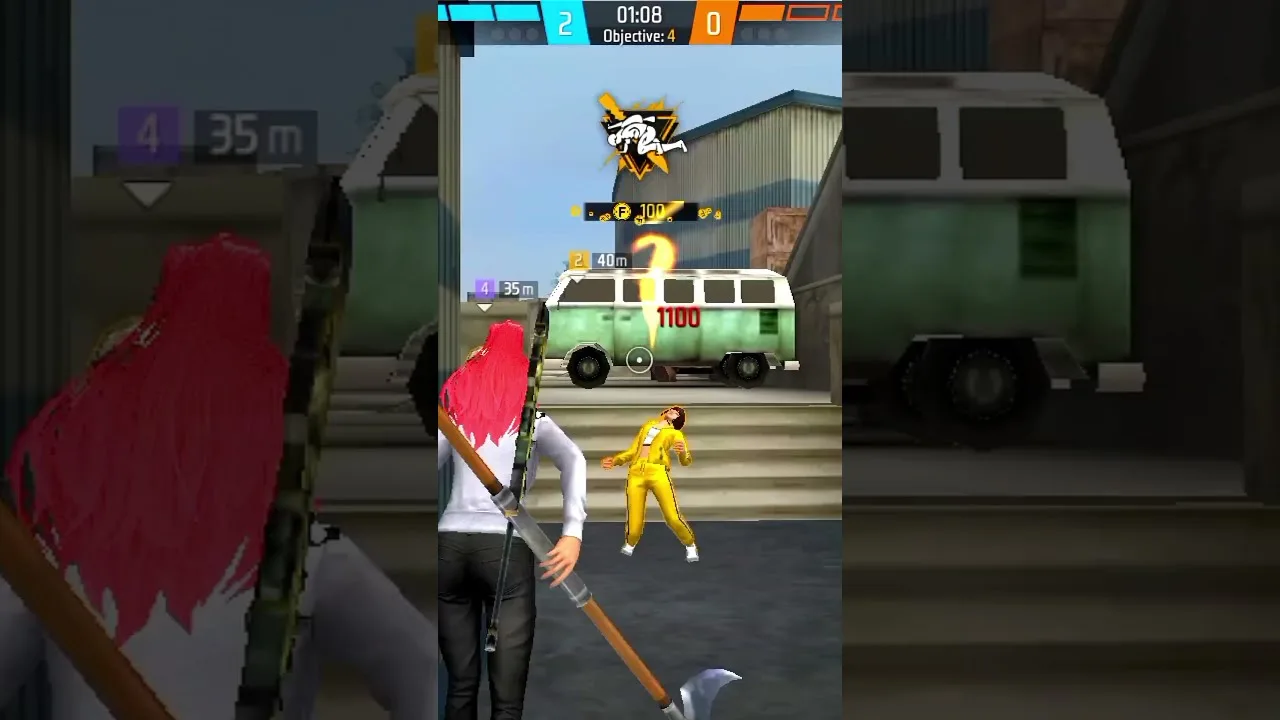
For a new mode, the first question is whether a brand-new player could understand the goal from the mode screen and one match. Confusing rules are a design finding, not a player failure, and testers are the first people positioned to prove where the explanation breaks down.
Pacing is the second question: does the mode drag in the middle, end too abruptly, or reward passive play? Compare its rhythm with the events discussed in the FF Advance Server events and rewards guide, since mode pacing and event pacing problems usually share the same causes.
Play the Mode Enough Times to Pass the Novelty Stage
Set yourself a minimum of several full matches before forming a verdict on any new mode, spread across different squads or solo runs if possible. Early matches measure learning curve, later matches measure the mode itself, and confusing the two produces feedback the designers cannot use.
Vary your strategy deliberately between matches: aggressive openings, quiet rotations, late-zone patience. A healthy mode rewards more than one approach, while a mode where only one strategy ever works is telling you something important about its balance.
Report Locations and Moments Precisely
Map and mode feedback improves dramatically with precise references: the named area, the direction faced, the stage of the match, and what happened. A short recording of a problem spot is worth paragraphs of description and takes seconds to capture on most phones.
Also report what works beautifully. A clever rotation route or a mode twist that creates memorable final circles deserves protection during revisions, and designers rely on testers to tell them which experiments landed as well as which ones missed.
Rotation Routes and Zone Habits
After learning a map's layout, study how it wants you to move. Note two or three rotation routes between major areas, where each route is exposed, and where vehicles change the maths. The zone rarely rewards the team that simply runs at its centre; it rewards the team whose route arrives with cover and options.
Test rotations at different match stages, because a route that is safe early can become a shooting gallery once the zone shrinks and every surviving squad reads the same map. A route book with an early and a late option per area is one of the most useful things a tester can carry into release day.
Helping New Modes Survive Their First Contact
Every new mode faces the same early danger: players bounce off its learning curve in the first two matches and never return, regardless of how good it becomes by match five. While testing, watch for the exact moment a newcomer would feel lost, because that moment is where a tutorial line or a clearer goal marker saves the whole mode.
If a mode survives its opening minutes, judge its middle and end with equal care. Modes usually fail at the seams: a slow middle that rewards hiding, or a final phase that ignores everything the earlier phases taught. Naming the weak seam precisely is the most designer-friendly feedback a mode can receive.
Carry one habit out of every map and mode session: end by writing down the single place and the single rule you would change first, plus the one you would protect at all costs. Forcing that choice sharpens your judgement wonderfully, because it separates real priorities from the long list of minor impressions every session produces. Across a full cycle those paired notes become a concise, confident verdict on the new content, exactly the kind of summary that designers can act on and fellow players actually enjoy reading.
Final Thoughts
Maps and modes define how a season actually feels, and Advance Server testers learn them first. Explore calmly, judge loot, cover, and pacing separately, play past the novelty stage, and report precise places and moments. That discipline turns your early access into real map knowledge the moment the update goes live for everyone.