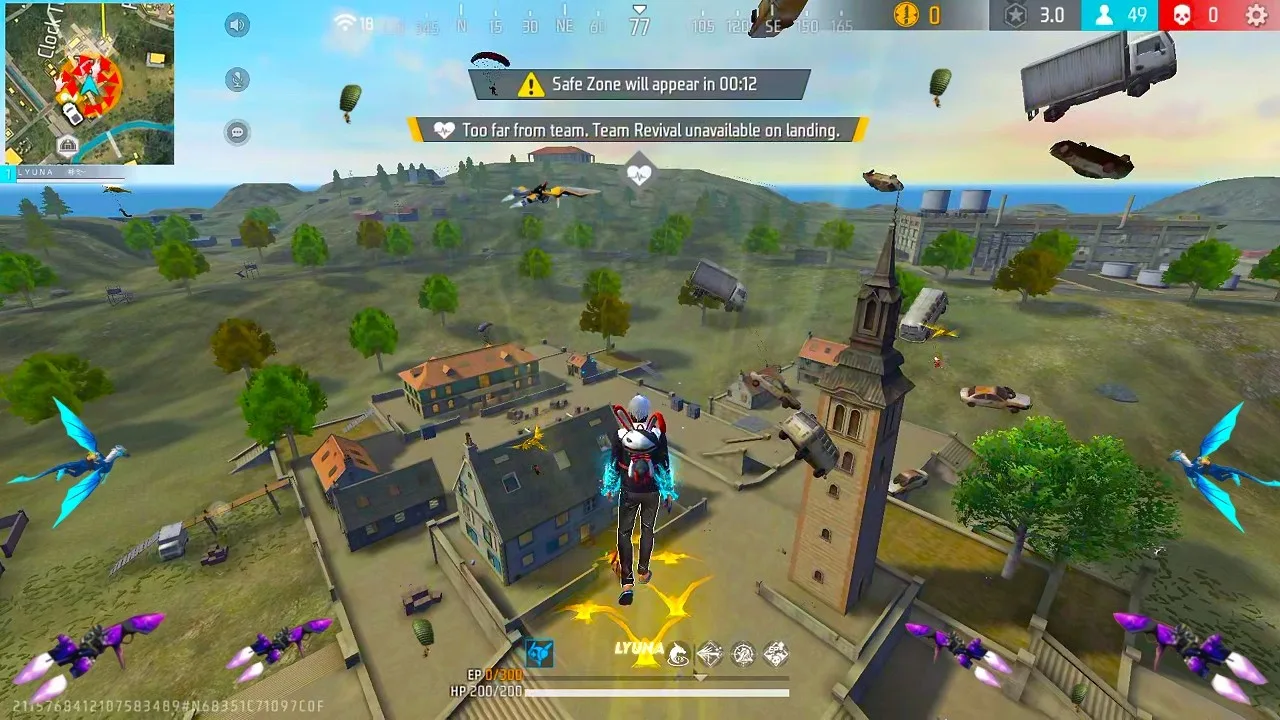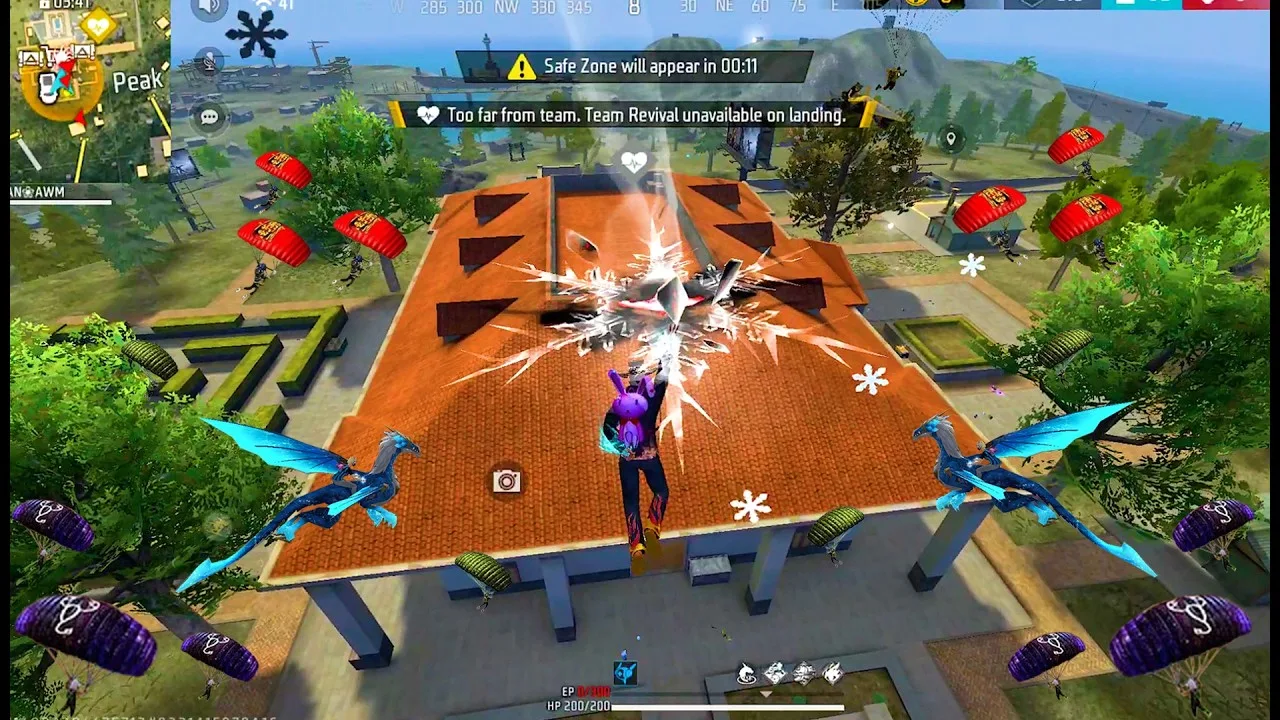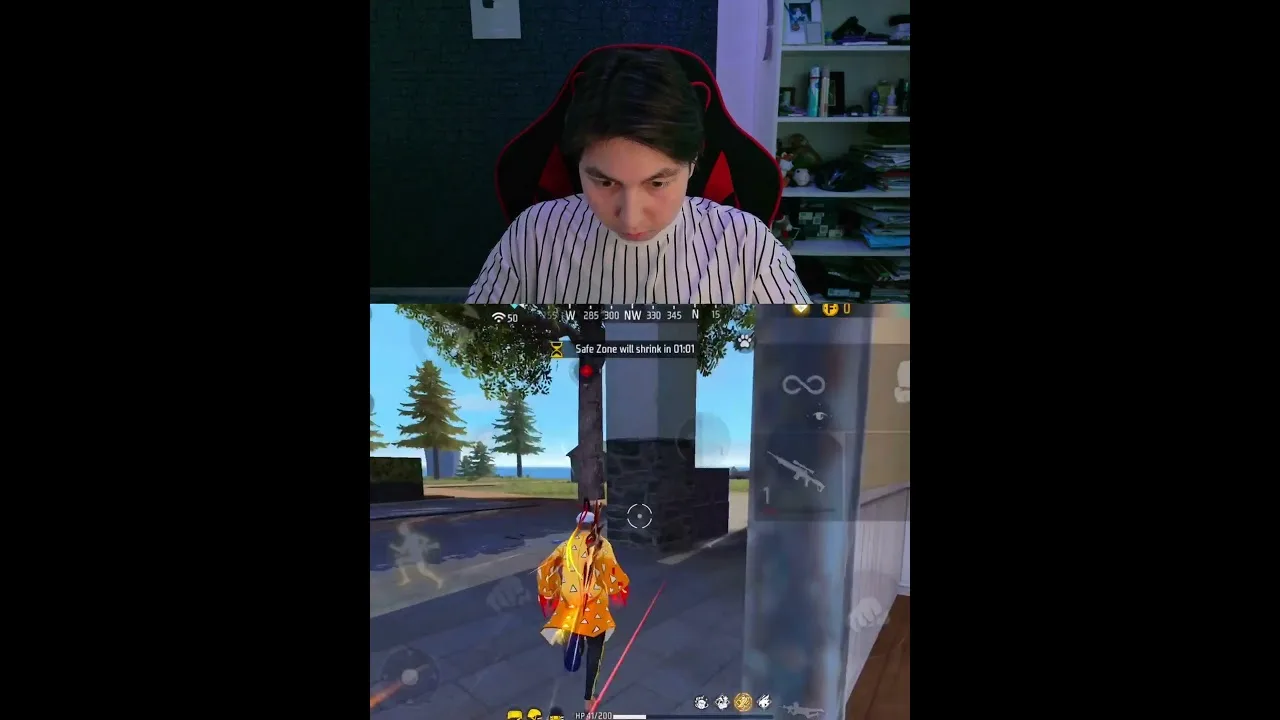
New characters and pets are the headline act of most test cycles. They change how fights play out more than any skin or menu refresh, which makes them the most valuable content a tester can evaluate properly, and the easiest to judge badly from a single match.
Inside the FF Advance Server Android app, test characters and pets are usually available generously so players can experiment freely. Use that freedom with a method: understand the ability on paper first, then test it in controlled situations, then judge it in real matches.
Read the Ability Before You Play It
Start in the character or pet screens and read the full ability description, including numbers, cooldowns, and conditions. Many testers skip this and form opinions from one chaotic fight, then miss that an ability only triggers under specific circumstances they never created on purpose.
The FF Advance Server features guide shows where these preview additions usually live inside the build, so you can find a new character or pet quickly instead of hunting through menus while the test window ticks away.
Test in Training Before Real Matches
Training grounds are where fair judgements are born. Test the ability against stationary targets, then moving ones, then at different ranges, and time the cooldown with a stopwatch if the description is vague. Numbers you measure yourself are worth more than impressions from a highlight moment.
Pair the new addition with familiar partners too. A new pet tested only with an unfamiliar character tells you little, while the same pet beside your main character shows exactly what it adds to the play style you actually use in the regular game.
Compare Against the Current Regular Options
A new character is only strong or weak relative to what already exists. Run the closest current character in the same situations and compare outcomes honestly. Our FF Advance Server weapon testing guide uses the same comparison method, and applying one consistent method across characters, pets, and weapons makes all your feedback stronger.
Watch for quality-of-life details as well as raw power: how readable the ability effect is, whether the cooldown display is clear, and whether the pet animation distracts or helps. Designers act on those observations just as often as on balance numbers.
Play Real Matches With a Note-Taking Habit
After controlled testing, take the character or pet into real matches with one question in mind, such as whether the ability changes your early-game decisions. One clear question per session produces sharper observations than general play, and a few lines of notes after each match preserves them.
Play enough matches to meet the ability in different hands too. Facing a new character teaches you its counters, which is half of understanding it. A tester who has only played as a character, never against one, knows only half the story.
What Good Character Feedback Looks Like
Useful feedback names the situation, the expectation, and the result: the ability, the map area, the opponent, and what felt too strong, too weak, or unclear. Vague praise or complaints give the testing team nothing to act on, while specific scenes can be reproduced and measured.
Also say what should not change. If a new pet feels fun and fair, that signal matters, because silence is often read as indifference. Balanced, specific testers are the reason preview content arrives in the regular game in good shape.
Ability Combos Worth Testing Deliberately
New characters rarely shine alone. Test a new ability beside the pets and partner characters you actually run, then beside the partners the community is excited about, because combination effects are where hidden strength and hidden weakness both live. A modest ability that stacks with a popular pet can matter more than a flashy one that stacks with nothing.
Also test the counters deliberately. Choose the current character most likely to answer the new ability and play that matchup from both sides. Designers balance for the whole roster, and a tester who reports both the strength and its answer gives them a complete picture in a single report.
Small Details That Decide Whether a Character Feels Right
Beyond numbers, notice how an ability feels to use under pressure: whether its animation locks you in place, whether its sound cue is audible in a loud fight, and whether its icon and cooldown are readable at a glance. Characters with strong numbers but clumsy feedback often end up unpopular for reasons raw statistics never explain.
Pets deserve the same attention at smaller scale. Check whether the pet stays readable beside your character, whether its trigger moments are obvious, and whether it ever blocks your view in tight spaces. These feel-details are exactly the kind of finding only real play sessions on real phones can produce.
Keep one eye on the regular game's current favourites while you test, because a new character's true impact is measured against the abilities players already trust. If a newcomer does the same job slightly better, expect a gentle shift; if it opens a job nobody could do before, expect the whole season to reorganise around it. Noting that distinction in your feedback, with the specific favourite you compared against, gives designers the context they need to tune the newcomer into the roster rather than above it.
Final Thoughts
Characters and pets decide how the next season feels, and Advance Server testers meet them first. Read the ability, measure it in training, compare it fairly, and study it in real matches. Follow that path and your early access becomes an early understanding that most players will not have for weeks.